
Modern Analytics Stack
Data has become one of the most valuable assets within modern organizations, but its value depends on the ability to transform raw information into meaningful insights. A modern analytics stack brings together cloud-native technologies that support data collection, storage, transformation, analysis, and visualization. The result is a flexible platform that enables faster, more informed business decisions.
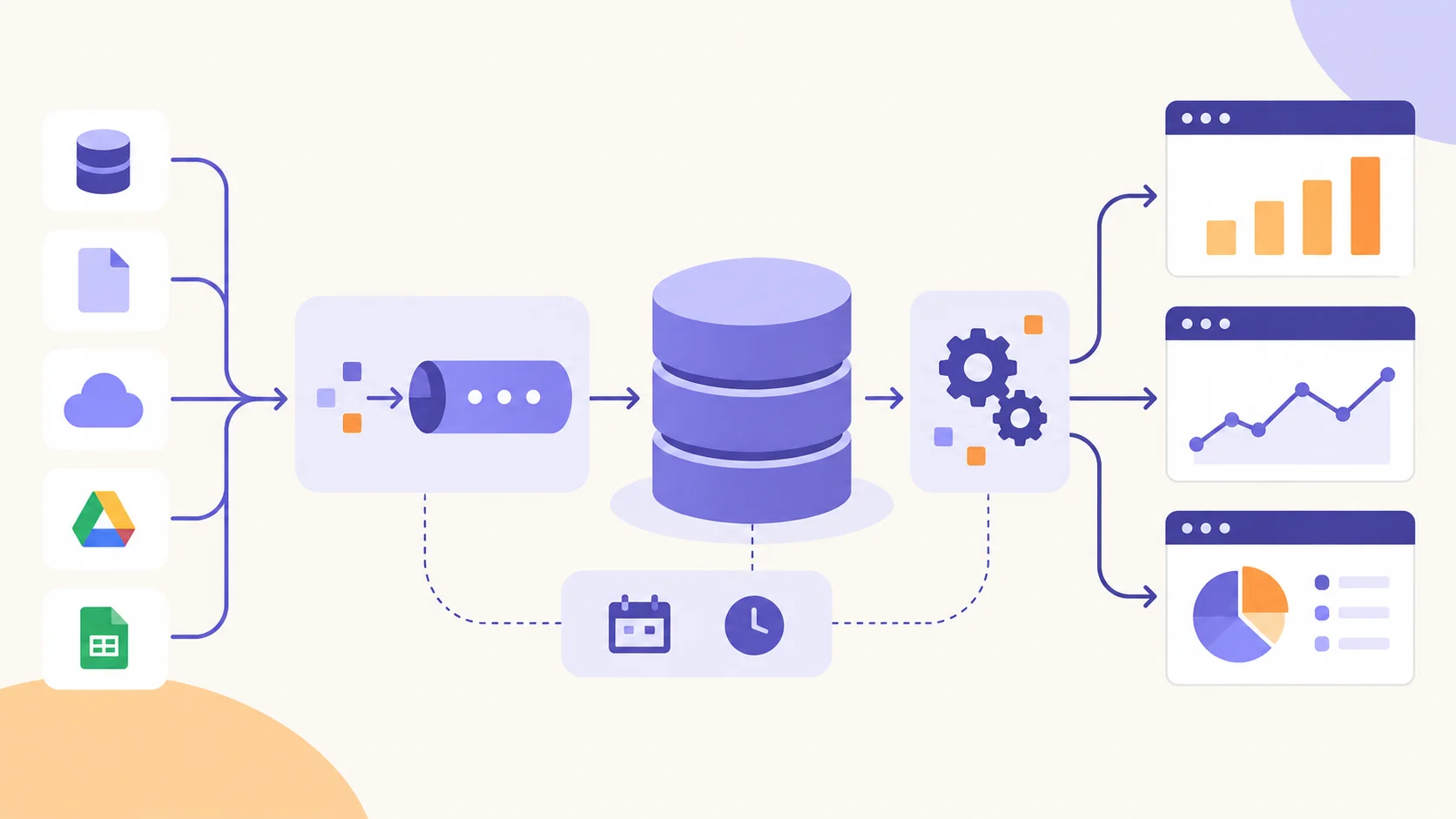
The foundation of a modern analytics stack is centralized data storage. Information from operational systems, cloud applications, and external services is consolidated into scalable cloud platforms where it can be managed consistently. This eliminates data silos and provides a single source of truth for reporting and advanced analytics.
Once data has been collected, transformation pipelines prepare it for business use. Automated workflows clean, validate, and organize datasets before making them available to analysts and decision-makers. Version-controlled transformation logic and automated testing improve reliability while supporting collaboration across engineering and analytics teams.
Business intelligence tools then convert prepared datasets into interactive dashboards and reports. Self-service analytics allows non-technical users to explore data independently, reducing reliance on engineering teams for routine reporting requests. At the same time, advanced users can leverage the same platform for predictive analytics and machine learning initiatives.
Governance remains an essential component of every analytics platform. Access controls, metadata management, data lineage, and monitoring help ensure that information remains secure, accurate, and compliant with regulatory requirements. Strong governance builds trust in analytical results while supporting responsible data usage across the organization.
A modern analytics stack is more than a collection of technologies—it is an operating model for making data-driven decisions. By combining scalable cloud infrastructure, reliable engineering practices, and effective governance, organizations can unlock greater value from their data while creating a foundation for future AI and business innovation.